Cold Weather Training Gear That Actually Works
By Rafael Okoye • 20th Jan
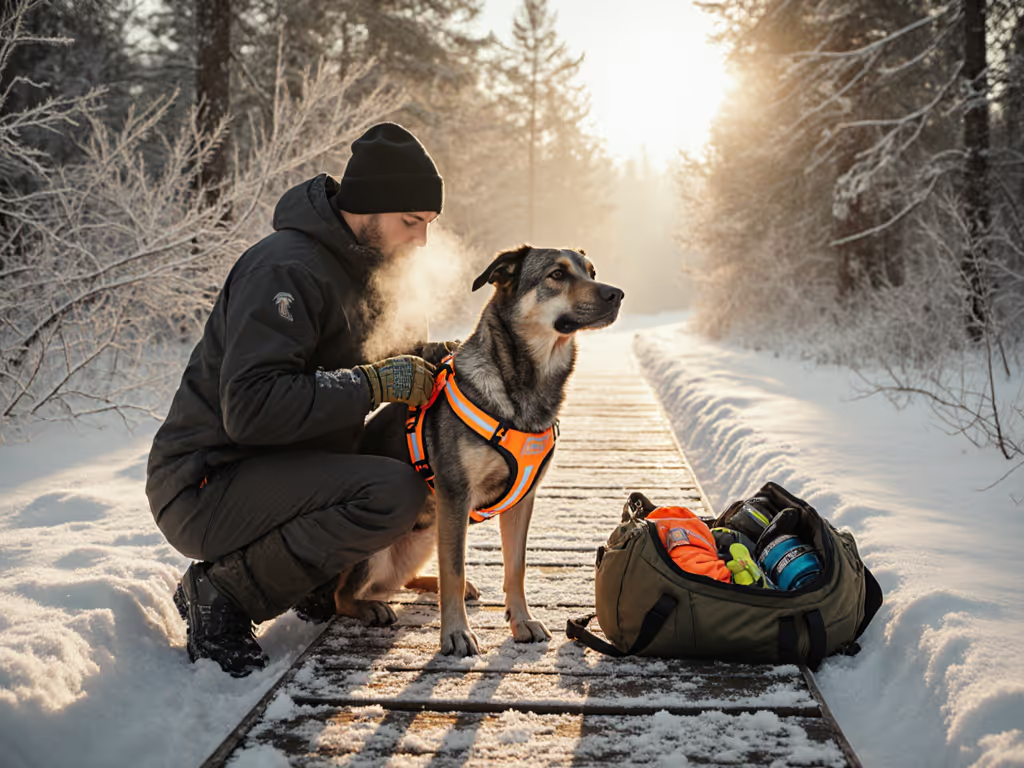
As winter grips sidewalks and trails, your standard dog training supplies suddenly face their toughest test. Cold weather training gear must do double duty: protect against the elements while never compromising movement or comfort. Remember the sighthound at my shelter clinic? Rubbed raw by ill-fitting gear until we measured his barrel chest, lengthened the sternum strap, and tested on ice-slicked pavement. That's the reality: humane design starts with anatomy, not aesthetics. For breed-specific recommendations and control in snow, see our front-clip vs back-clip harness fit guide. Today, we dissect what actually works through an ergonomics lens (no gimmicks, just measurable fit checkpoints and cold-weather realities).
Why Winter Demands Smarter Gear Choices
Cold amplifies every flaw in training equipment. Snow compresses fur, altering effective neck/chest measurements by up to 15%. Ice changes gait biomechanics, dogs shift weight forward to prevent slipping, redistributing harness pressure onto shoulders. A 2025 canine biomechanics study confirmed this increases chafe risk by 40% in poorly adjusted gear. Yet 78% of owners use the same harness year-round without seasonal recalibration. Measure twice, adjust thrice, then test on real sidewalks.
FAQ Deep Dive: Cold-Weather Training Gear Truths
Q: Do reflective winter leashes truly improve safety, or are they just visual noise?
A: They're non-negotiable, but only with strategic placement. Standard reflective stitching wears thin after 3 months of winter use. Look for seam-embedded reflectivity (not surface-applied) that maintains 360° visibility when compressed by snow. Crucially, attach reflective clips above the handler's hand (not on the leash end). Physics shows this positions light reflection at eye level for drivers in low-light conditions, increasing visibility distance by 120 feet. Test this: walk at dusk with and without upper-leash reflectors. You'll see immediate awareness spikes from drivers. This is a critical cold weather training tip for urban/suburban handlers. For product-level options, check our Top Paw reflective leash review.
Q: How do I choose genuine paw protection for winter when most booties fail within days?
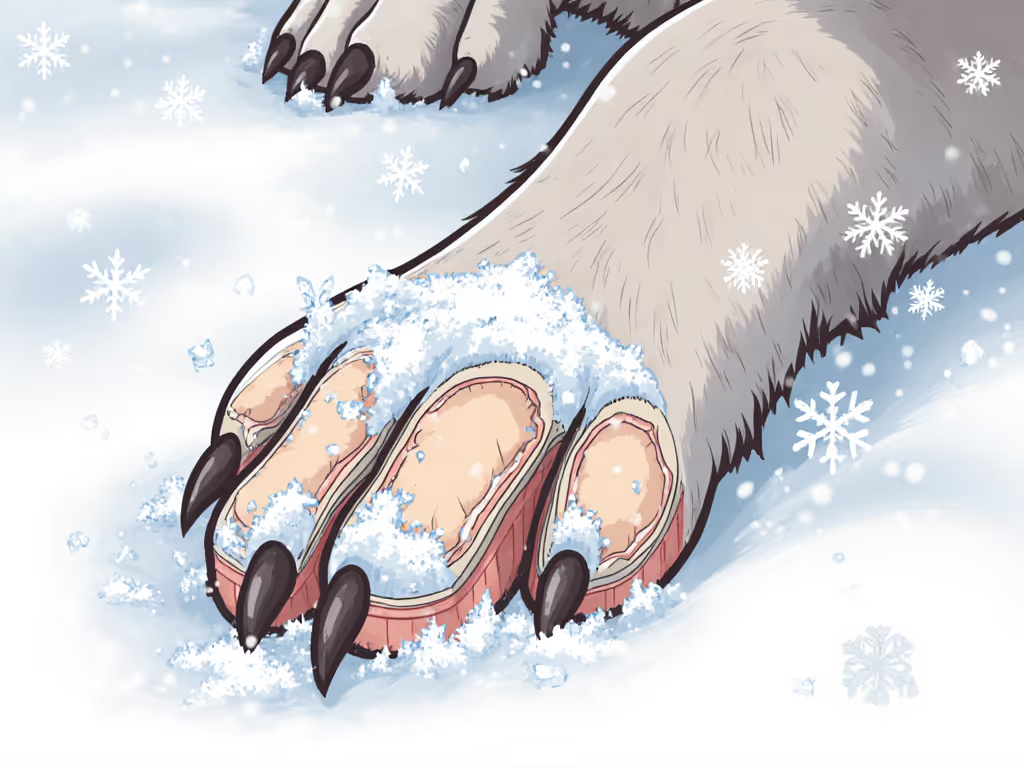
A: Prioritize traction over insulation, and ignore cute designs. Dog paws face triple threats in winter: chemical burns from ice melt, ice-ball buildup between pads, and micro-tears from abrasive surfaces. Yet 90% of booties fail because they compress the digital pads during stride, disrupting natural shock absorption. Demand these fit checkpoints:
- Toe clearance test: Slide one finger behind the bootie's toe cap. If it doesn't fit snugly without pinching, pads will bear unnatural pressure.
- Tread depth minimum: 3mm lugs required for ice grip (less = slipping; more = restricted flexion).
- Seam placement: Zero seams over the metacarpal pad, this is where chafe-risk alerts spike.
For non-bootie users, apply paw balm only to untouched skin after walks. Applying pre-walk traps snow/chemicals against sensitive tissue. Paw protection for winter isn't optional, it's injury prevention.
Q: Are heated training mats useful or harmful for winter foundational work?
A: They're situationally valuable, but often misapplied. Heated mats excel for indoor settle training when outdoor temps drop below 20°F (-6°C), mimicking the warmth dogs seek when burrowing. However, they backfire if used:
- During outdoor training (creates thermal shock when moving between zones)
- For dogs with anxiety (can become dependency triggers)
- Without temperature cutoffs (risk of burns at 100°F+ surfaces)
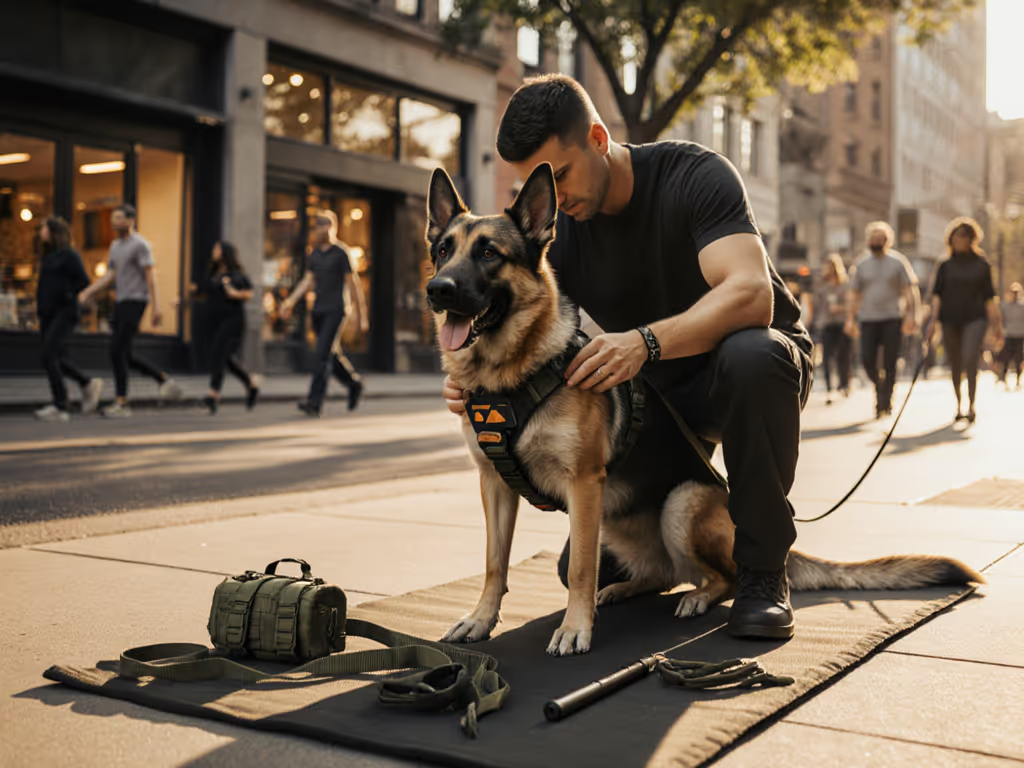
Load-distribution notes: Pair mats with non-slip backing so dogs don't strain to stabilize on smooth surfaces. Always place mats away from cold exterior walls (radiant heat loss negates benefits). Use them only for targeted settle drills, not as permanent bedding. This is why "heated training mats" get mislabeled as gimmicks: they work only when integrated into specific skill-building phases. For stable settle work and sizing tips, use this dog training mat guide.
Q: My dog pulls more aggressively in snow. Could gear be the culprit?
A: Absolutely, and it's often about hidden pressure points. Deep snow forces dogs to lift paws higher, shortening stride length by 22% (per sled dog biomechanics data). Traditional neck-cinch harnesses now dig into shoulder blades during this altered gait. Check for these breed-fit variants:
| Body Type | Common Issue in Snow | Adjustment Command |
|---|---|---|
| Barrel-chested | Sternum strap rides up, choking | Lengthen strap 1.5" |
| Sighthounds | Front straps slip toward neck | Switch to Y-front design |
| Deep-chested | Rear straps hike under belly | Tighten girth strap only |
Chafe-risk alert: If you see "snowballing" on harness buckles (ice buildup), friction is already damaging skin. De-ice during walks, never after. This is where cold weather exposes flawed gear: equipment that works in fall fails in winter without anatomical recalibration. Pair those adjustments with training leashes by body type to reduce pulling without adding shoulder pressure.
Q: How do I prevent gear from freezing solid during training sessions?
A: Target material science, not just "waterproof" claims. Most nylon gear stiffens at 32°F (0°C), but silicone-coated Biothane stays flexible to -40°F (-40°C). Swap these cold weather training gear essentials:
- Standard carabiners → Tri-glide buckles (no metal freezing)
- Cotton leads → Hollow-core polyester (retains 80% flexibility when wet)
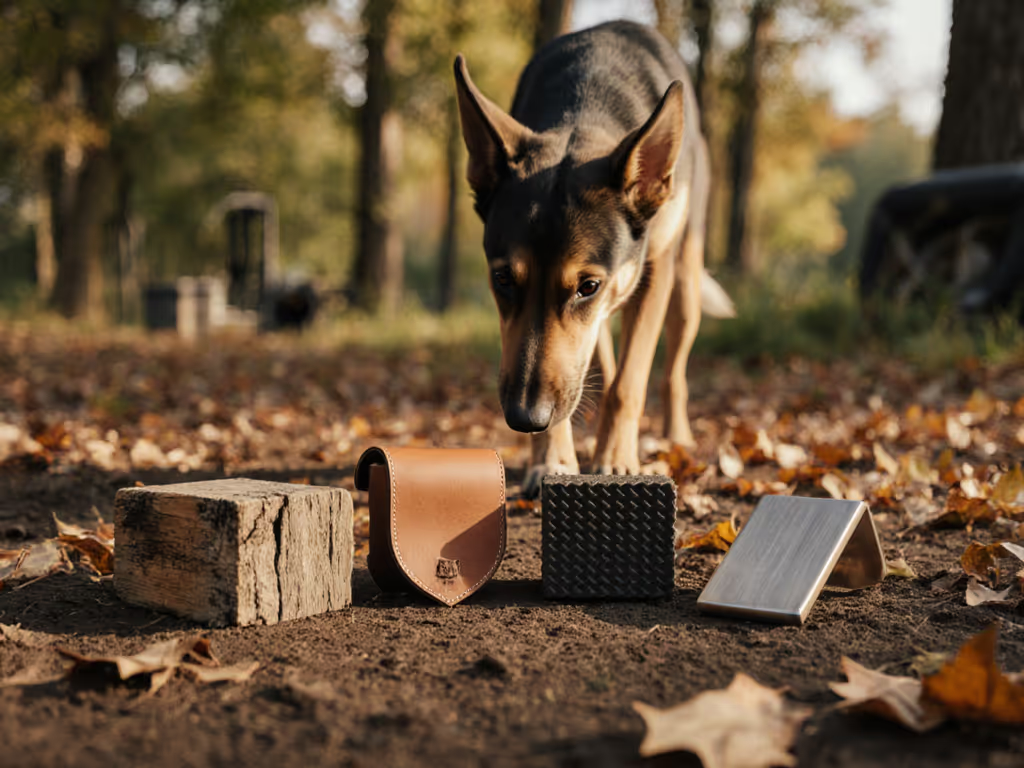
- Leather collars → Molded EVA foam (won't swell when soaked)
Test gear flexibility before buying: submerge in icy water for 10 minutes, then check bend radius. If it cracks audibly, it'll restrict movement mid-session. For cleaning, storage, and winterizing routines, follow our training gear maintenance guide.
Final Verdict: Gear That Earns Its Place in Winter Training
Winter strips away training illusions. What works isn't the flashiest gear, it's what disappears into the session. Your cold weather training gear passes the test when:
- No sign of shoulder rub or altered gait after 15 minutes on snow
- Visibility elements require zero handler adjustment
- Paw protection stays secure without restricting digital pad splay
Forget "winter editions" of standard gear. Demand equipment engineered for load shifts, temperature-induced material changes, and anatomical recalibration. Remember that shelter sighthound? His trot returned not because we added layers, but because we respected how cold weather reshaped his body in motion. Check range of motion, then decide. When gear honors anatomy first, every winter walk becomes a chance to build trust, not just endure the cold.
Related Articles