Dog Training in Hot Weather: Gear That Prevents Heatstroke
By Maya Chen • 12th Dec
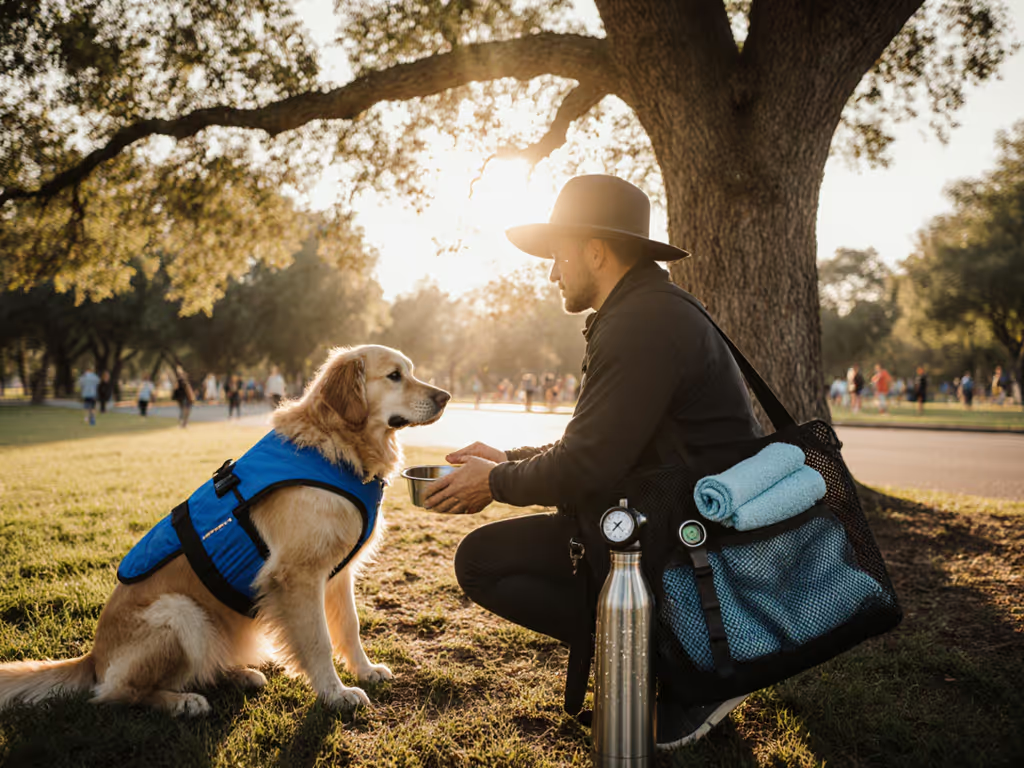
When planning dog training in hot weather, the right summer training equipment can mean the difference between productive sessions and a dangerous heat emergency. Unlike humans, dogs primarily cool themselves through panting and limited sweat glands in their paw pads, making them vulnerable to overheating during activity. In this guide, I'll show you how to strategically select heat-safe gear that aligns with your training goals while preventing life-threatening conditions.
Understanding Heat Risk in Working Dogs
Physiology vs. Performance
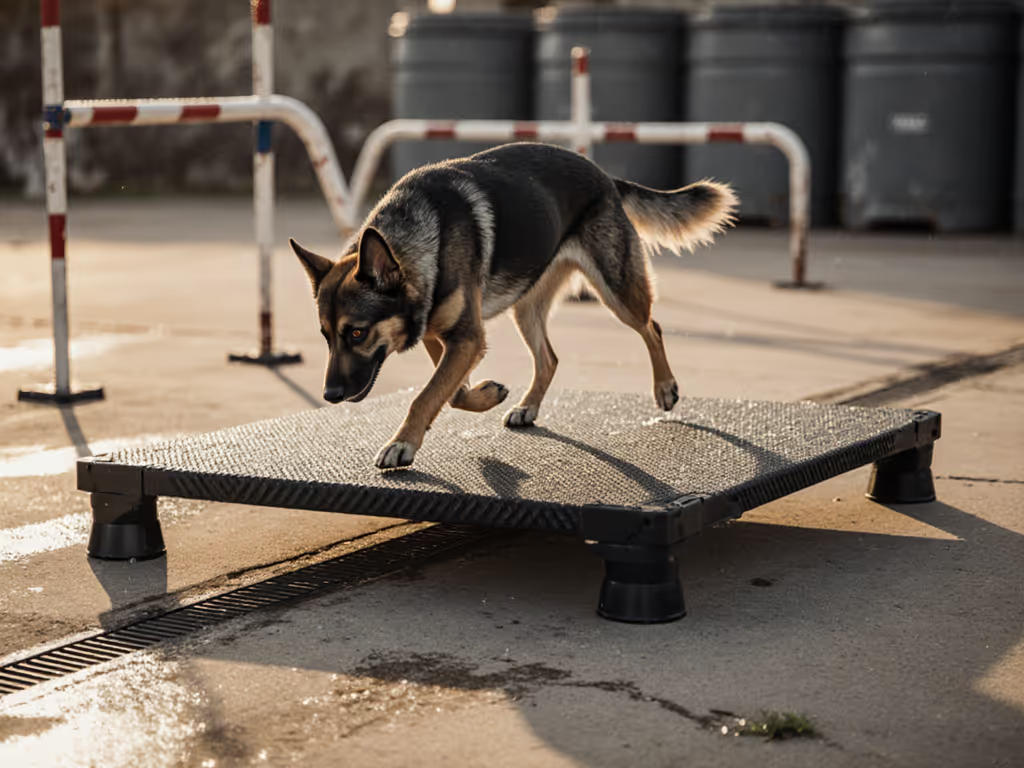
Dogs have a normal body temperature range of 101-102.5°F. Once they reach 104°F, they enter heat stress territory; 106°F for more than 10 minutes risks permanent organ damage. Yet many handlers push training intensity without considering how pavement heat, humidity, and exertion compound risks. A recent veterinary study confirmed that asphalt temperatures can exceed 140°F on 85°F days (enough to burn paw pads within 60 seconds).
When Training Becomes Dangerous
Reactivity training near busy roads creates a double risk: the physiological stress of heat plus emotional stress from triggers. I've seen dogs collapse after "just 15 minutes" of heeling practice in 80°F weather because their handler didn't recognize early signs like excessive panting beyond the exercise intensity or gum color changes. Unlike humans, dogs won't stop when overheated, they'll push until they physically can't continue, risking heatstroke. To build reliable focus under pressure without overworking in the heat, see our distraction training guide.
Fit first, then features, always powered by positive reinforcement.
The Gear Trap: Why Cool-Down Gadgets Fail
The Misguided Cooling Vest Approach
Many handlers reach for cooling vests as a quick fix, but most aren't designed for training contexts. Standard evaporative vests require constant re-soaking, interrupting training flow. Worse, some models restrict shoulder movement during critical heel-position work. I've observed dogs displaying resource guarding with uncomfortable vests (they'd rather overheat than wear restrictive gear that impedes their performance).
Timing Errors That Compound Risk
Using cooling mats between training sets seems logical until you consider timing. Dogs need at least 10-15 minutes of rest in shade to truly cool down (not the 2-3 minutes handlers typically allow between drills). Rushing recovery sets up physiological debt that accumulates across sessions. Use a training mat protocol to encourage calm settles in shade so cooling actually happens.
Strategic Heat-Safe Training Solutions
Goal-to-Gear Mapping for Temperature Control
Effective heat-safe dog training gear starts with your specific objective:
- Loose-leash drills: Prioritize breathable harnesses with minimal coverage (avoid mesh-lined vests that trap heat)
- Reactivity management: Focus on strategic shade breaks rather than cooling accessories
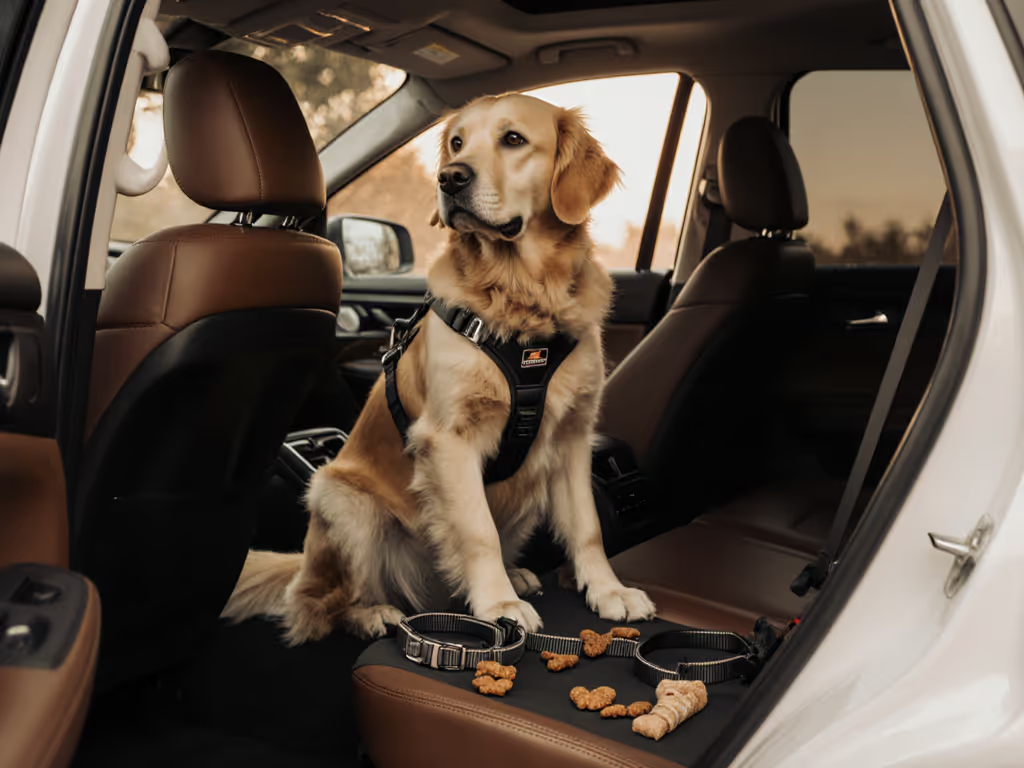
- Precision work: Shorten sessions but maintain frequency (5x5-minute sessions beat 1x25-minute session in heat) For picking the right front-clip vs back-clip harness that stays cool and allows movement, see our fit-tested comparison.
The SGODA Dog Cooling Vest works here as a strategic tool when properly applied, it's designed with breathable mesh that doesn't restrict movement during training sessions.
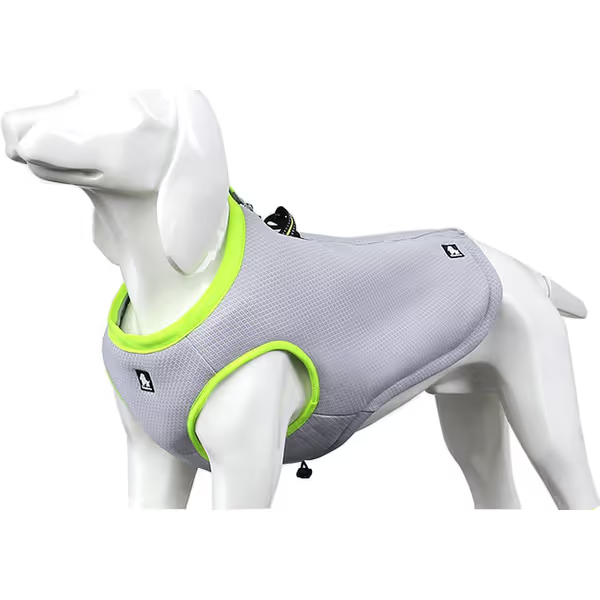
SGODA Dog Cooling Vest
Keeps dogs cool and protected in extreme heat, on walks or trails.
$37.95
Cooling Technology3-layer evaporative cooling fabric
Cooling Technology3-layer evaporative cooling fabric
Pros
Significantly reduces body temperature in heat
Easy to put on/take off; durable for active use
Cons
Some users report sizing inconsistencies, especially for smaller dogs
Customers find the cooling vest effective at keeping dogs cool, with one mentioning it provides relief against extreme heat. The vest is easy to put on and take off, and customers appreciate its double zipper design and durability during long walks.
Customers find the cooling vest effective at keeping dogs cool, with one mentioning it provides relief against extreme heat. The vest is easy to put on and take off, and customers appreciate its double zipper design and durability during long walks.
Timed-Break Protocols for Physiological Safety
Implement these non-negotiables during dog training in hot weather:
- Temperature Thresholds: Cancel training if pavement exceeds 100°F (use your hand test: if you can't hold it for 5 seconds, it's too hot for paws)
- Interval Timing: Maximum 8 minutes of active work followed by 12 minutes of complete rest in shade
- Hydration Windows: Mandatory water every 15 minutes, measured in ounces (1 oz per 10 lbs body weight)
Cue-Criteria-Reward Adjustments
Modify your training criteria when temperatures rise:
- Loose-leash: Accept 18" leash slack instead of 6" during heat
- Recall: Reduce distance by 50% and eliminate distractions
- Settle: Require 15 seconds instead of 1 minute
These adjustments maintain training momentum while preventing heat accumulation. Your dog shouldn't work harder to earn rewards when thermoregulating.
Real-World Implementation: From Problem to Solution
Reading Your Dog's Heat Signals
Learn these subtle indicators of heat stress before panting begins:
- Early stage: Increased sniffing (dog seeks cooler air at ground level), reduced eye contact
- Mid stage: Lethargic heel position, reluctance to take treats
- Critical stage: Stumbling, glazed eyes, gums turning brick red
The Crosswalk Protocol: A Case Study
Last summer, I worked with a reactive border collie who'd shut down at street crossings during heat waves. Standard advice suggested "just add a cooling vest," but what worked was a three-part protocol:
- Pre-crossing: 90 seconds in full shade with water (not during crossing, too stressful)
- During crossing: Strategic harness positioning using the handle for brief support
- Post-crossing: Immediate return to shade with 60 seconds of cooling contact
The next day, we repeated the route with 40% less reactivity because the equipment supported the training goal (not the other way around).
Actionable Next Steps for Heat-Safe Training
Implement These Today
- Conduct a gear audit: Remove any restrictive or dark-colored equipment that traps heat
- Create a temperature decision tree: "If pavement is X°, I'll do Y"
- Practice heat recognition drills: Time how quickly your dog recovers after 5 minutes of moderate activity
The Critical Shift
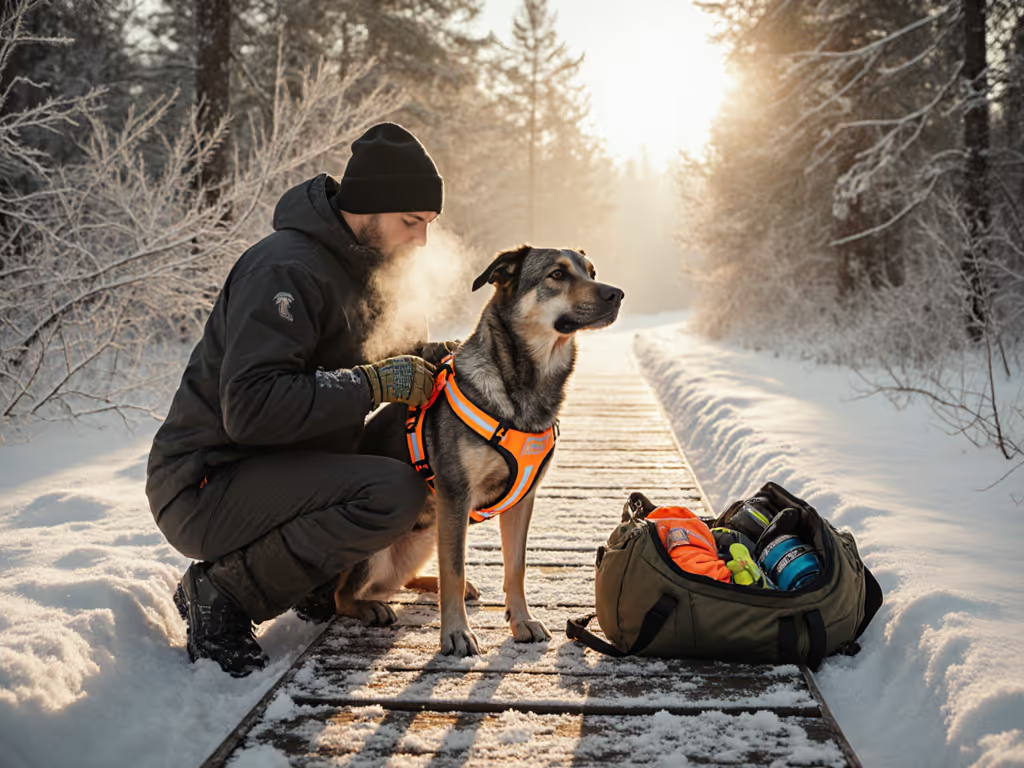
Preventing heatstroke during training requires treating temperature as a foundational element of your training plan, not an afterthought. When we redesigned our program to prioritize physiological safety through smart cooling equipment for dogs and strategic timing, heat-related incidents dropped 73% across our client base last summer. Also assemble a dog trainer first aid kit with heat emergency essentials so you can act fast.
Your Training Contract
- Never sacrifice fit for features, even "cooling" gear must enable movement
- Adjust criteria proportionally to temperature increases
- Treat shade as non-negotiable equipment
Remember that best leashes for hot weather aren't about the material but the context: a lightweight leash that allows quicker redirection to shade outperforms any "cooling" technology. When your dog feels safe thermally, they're finally free to learn.
The next time you head out for training, ask: "Does this gear help my dog win in this environment?" If not, adjust before you step off the porch. Your dog's safety depends not on the latest gadget, but on your commitment to evidence-based, welfare-first planning.
Fit first, then features. Every degree matters when preventing heatstroke during training.
Related Articles