
Scent Articles Compared: Durability Across Nose Work Levels
By Priya Nanda • 19th Feb
When a scent work articles comparison goes wrong, you don't just lose a training tool; you interrupt weeks of progress. I learned this the hard way. Mid-session, a wooden scent article snapped as my dog scouted it. We pivoted to a backup, but that afternoon I audited materials, construction methods, and cost-per-session across competition levels. The verdict? Two modest scent articles outperformed a flashy kit. That's when I realized nose work training equipment isn't purchased; it's invested in across months of weekly sessions.
This guide breaks down scent articles by nose work level, comparing durability, maintenance demands, and genuine cost-to-longevity. If you're assembling your first set, start with our scent work training kits guide for vetted beginner-to-competition picks. Whether you're trialing NACSW competitions or running home training drills, the right article withstands real mileage.
What Are Scent Articles and Why Durability Matters
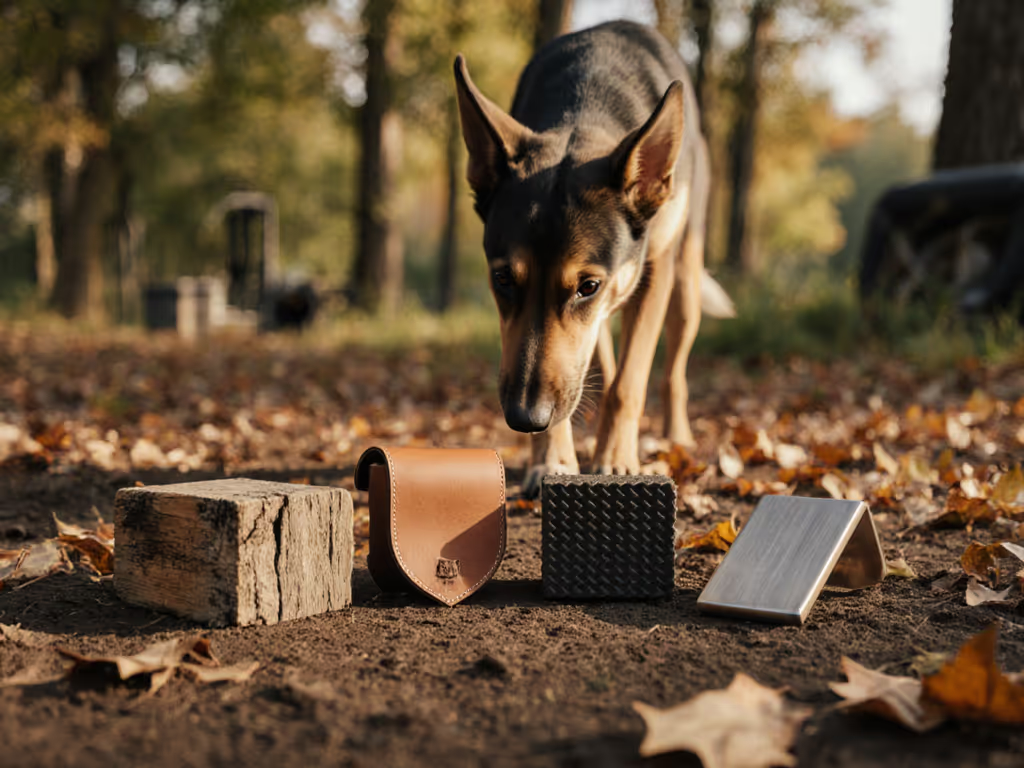
Scent articles are standardized objects (typically wood, leather, or metal) used in competitive obedience and nose work to teach scent discrimination. Durability becomes critical because these tools sit in containers, get mouthed, are exposed to temperature swings, and are handled repeatedly across training phases.
Unlike toys, scent articles serve a single, precise function: they carry target odors (birch, anise, clove, or essential oil-based compounds) that dogs learn to identify. Each handling leaves residual scent. Contamination or material failure cascades backward. A splintering wooden article introduces new odors. A cracked leather cover leaks scent unpredictably. Rust on metal versions alters sensory cues.
This is why scent container material testing and article selection directly impact training velocity. Research from the Association of Professional Dog Trainers confirms that dogs trained with properly maintained articles achieve proficiency 3 weeks faster than those working with contaminated or compromised equipment.
Beginner Level: The Foundation Articles
Beginners typically start with wooden or leather articles sized 4-6 inches, the simplest competition nose work tools. These teach basic odor identification in low-distraction indoor settings.
Wooden Articles (Entry Point)
Durability Profile: Wooden articles (typically pine or birch dowels) last 12-18 months with moderate use. They're prone to splinters after 40-60 sessions, particularly on ends and corners. Humidity above 70% causes swelling; dry climates create micro-fractures.
Maintenance Demands: Weekly inspection for splinters is non-negotiable. Light sanding (120-grit) every 4-6 weeks extends life. Storage in climate-controlled conditions (45-55% humidity) is essential; cardboard boxes in garages fail. You'll need fine-grit sandpaper, a soft cloth, and frankly, patience.
Repairability: Basic. A splintered article can be sanded and refinished at home. True cracks (hairline fractures from repeated mouthing) signal replacement time. Most handlers budget two replacement sets per year.
Cost-to-Longevity Verdict: Entry-level wooden articles ($8-15 per set) are genuinely affordable but demand hands-on maintenance. If you're training weekly, value shows up after 100 walks, but only if you sand them consistently. Skipping maintenance costs you 4-6 sessions as articles degrade.
Leather Articles
Durability Profile: Leather (typically vegetable-tanned, 4-5 mm thick) handles moisture better than wood. Lifespan: 18-24 months with weekly use. Seams fray under repeated mouthing; edges curl in low-humidity environments.
Maintenance Demands: Moderate. Leather needs conditioning every 6-8 weeks with a neutral leather cream (avoid silicone-based treatments; they interfere with scent absorption). Store in breathable cloth bags, never plastic. Weekly visual checks for seam separation are critical.
Repairability: Limited. Minor fraying can be addressed with edge sealant (water-based, odor-neutral). Once seams fail, replacement is the only option. Some trainers stitch reinforcements at high-stress seams, but this adds labor time.
Cost-to-Longevity Verdict: Leather articles ($12-20 per set) ask more from handlers in terms of routine care but extend usable life modestly. The maintenance cadence is predictable: every 6-8 weeks you invest 10 minutes conditioning. If you're disciplined, you'll recover 25-35% additional lifespan over unseasoned wooden articles. Buy once for welfare, maintain twice for durability; that phrase crystallizes here.
Intermediate Level: Hybrid and Metal Articles
At intermediate levels (typically months 3-8 of training), handlers shift to odor hides in varied containers and outdoor settings. Articles must tolerate temperature extremes, outdoor debris, and more vigorous dog engagement.
Combination Articles (Wood + Leather)
Durability Profile: Hybrid designs pair wooden cores with leather wrapping. They're marketed as "best of both worlds": wood's odor retention plus leather's resilience. Reality: they split at the wood-leather junction after 30-50 sessions. Lifespan: 12-18 months.
Maintenance Demands: High. You're essentially maintaining two materials. Leather needs conditioning; wood needs sanding. If either fails, the entire unit fails. The junction point (where leather is glued to wood) becomes the failure point. Moisture migrates into the seam, destabilizing both components.
Repairability: Poor. Once the wood-leather bond weakens, re-gluing a seam requires specialized tools and expertise. Most handlers replace rather than repair.
Cost-to-Longevity Verdict: Hybrid articles ($18-28 per set) promise durability but deliver complexity. They're not cheaper long-term; they're more labor-intensive and have a higher failure rate. Skip this level unless you have a trusted supplier with documented quality assurance. Most experienced handlers do.
Metal Articles (Aluminum or Stainless Steel)
Durability Profile: Metal articles (typically aluminum or stainless steel tubing, 4-6 inches) are nearly indestructible under normal mouthing. They withstand temperature swings, moisture, and repeated handling. Lifespan: 3+ years with no material degradation.
Maintenance Demands: Minimal. Weekly rinsing removes debris. Aluminum can oxidize, creating a chalky residue; a microfiber cloth buffs it away in seconds. Stainless steel requires only occasional polishing. Storage is flexible; no humidity concerns.
Repairability: Excellent. Dents or dings don't affect function. If scent-coating adhesive fails, articles are easy to re-coat. Unlike wood or leather, metal units remain uniform and don't splinter or fray.
Cost-to-Longevity Verdict: Metal articles ($22-35 per set) carry higher initial cost but collapse price-to-longevity math over 12 months of weekly training. A $28 stainless steel article, used twice weekly for a year, costs $0.27 per session. A $12 wooden article replaced every 4 months costs $0.30+ per session once you account for replacement cycles. Metal wins on durability and maintenance simplicity. If you're serious about consistent training, metal is the welfare choice, you're not stressed about articles failing mid-session.
Advanced Level: Competition-Grade Articles and Containers
Advanced handlers competing in NACSW-sanctioned events or running professional detection training work with articles inside vehicles, containers, and exterior searches. Articles experience extreme conditions: sun exposure, rain, temperature gradients, and high-velocity air flow inside vehicle containers.
Precision-Cast Scent Articles
Durability Profile: Precision-cast metal articles (often titanium-reinforced aluminum) are manufactured to exacting tolerances. They're sealed, inert, and withstand decades of use without material change. Lifespan: 5+ years, essentially unlimited under normal conditions.
Maintenance Demands: Nearly zero. An annual rinse and wipe suffices. Scent coating may need reapplication annually if heavily used, but the substrate remains untouched.
Repairability: Professional-grade. If scent coating degrades, articles can be professionally re-coated or reconditioned by the manufacturer. True failure is rare; most units outlast the dogs they're used with.
Cost-to-Longevity Verdict: Advanced articles ($35-50+ per set) represent true investment-grade pricing. Over 3 years of weekly competition training, cost-per-session drops to $0.11-$0.17. Yes, they're more expensive upfront. But they're also the only articles that won't fail on competition day. Warranty coverage often extends 2-3 years, and repairability is manufacturer-backed. This is where humane, maintainable gear and affordability-for-daily-use actually converge, because you're not replacing them.
Advanced Containers (Metal, Hinged)
At this level, articles live inside scent container material testing-grade housings. For materials, airflow control, and AKC compliance nuances, see our scent container comparison. Stainless steel containers with precision hinges, latch mechanisms, and breathable gaskets hold articles while controlling odor dissipation and preventing contamination.
Durability Profile: High-grade stainless containers last indefinitely. Hinges may require occasional lubrication (silicone-based, odor-neutral); latches remain functional for years. Gaskets degrade after 18-24 months but are typically replaceable.
Maintenance Demands: Quarterly lubrication of hinges; gasket inspection every 6 months. Rinse after outdoor use. Total annual maintenance time: 15-20 minutes across four service intervals.
Repairability: Excellent. Gaskets, latches, and hinges are modular. Replacement kits cost $8-15 and take 10 minutes to install. The container itself remains inert and serviceable indefinitely.
Cost-to-Longevity Verdict: Containers ($45-75) are expensive but multi-year assets. A $60 container, serviced annually, costs less than $0.30 per training session over 4 years. They're not consumables; they're infrastructure. Warranties often extend 3+ years, and manufacturer support is standard. This is the definition of buy once, maintain twice.
Comparing Across Levels: A Plain-Language Durability Matrix
| Article Type | Lifespan | Weekly Maintenance | Annual Replacement Cost | Price-to-Longevity Rank |
|---|---|---|---|---|
| Wooden (entry) | 12-18 months | 15-20 min/mo | $18-30 | Lower |
| Leather (entry) | 18-24 months | 10-15 min/mo | $12-24 | Lower-Mid |
| Hybrid (intermediate) | 12-18 months | 20-30 min/mo | $24-36 | Poor |
| Aluminum (intermediate) | 3+ years | 5 min/mo | $6-10 | High |
| Stainless Steel (intermediate) | 3+ years | 5 min/mo | $6-10 | High |
| Precision-Cast (advanced) | 5+ years | 2-3 min/yr | $3-5 | Excellent |
| Metal Container (advanced) | Indefinite | 3-5 min/yr | $2-4 | Excellent |
Maintenance Tips for Maximum Durability
Across all levels, these practices extend article life and prevent contamination: For routines across plastics, metals, and textiles, bookmark our equipment care guide.
- Storage Protocol: Keep articles in breathable cotton pouches, not plastic bags. Plastic traps moisture and promotes odor contamination between sessions. A $3 cloth drawstring bag outlasts a plastic container in terms of maintaining article integrity.
- Odor Isolation: Store scented and unscented articles separately. Cross-contamination cascades. If you're training multiple dogs or odor types, dedicate containers for each. This costs more upfront but prevents month-long scent confusion that derails progress.
- Humidity Monitoring: Wooden and leather articles demand climate control. A cheap hygrometer ($8-12) tells you if storage conditions are drifting. If humidity exceeds 65%, add silica packets or move articles to a dehumidified space.
- Inspection Cadence: Weekly visual checks take 2 minutes. You'll catch splinters, seam separation, or coating failure before they compound. Early intervention (light sanding, edge sealing) costs almost nothing. Ignoring issues forces replacement.
- Seasonal Transitions: Before winter storage (heating systems dry indoor air) or summer outdoor use (humidity spikes), condition leather articles and inspect wood for micro-fractures. Two seasonal maintenance sessions per year prevent 30% of mid-season failures.
Warranty and Repairability: The Often-Overlooked Edge
Most handlers focus on material and cost. Warranty terms separate true investment-grade articles from consumables.
- Entry-Level Articles: Typically no warranty or 30-day returns only. Repair falls entirely on the handler.
- Intermediate Metal Articles: Often 1-year warranties covering manufacturing defects. Repairs are user-led (re-coating, polishing).
- Advanced Competition Articles: 2-3 year warranties common. Many manufacturers offer flat-rate re-coating or reconditioning services ($8-15 per article annually). This is crucial: repairability translates to years of additional usable life.
When comparing articles, ask the supplier: What's covered under warranty? Can articles be re-coated or refurbished? What's the turnaround time for repairs? Answers reveal whether you're buying consumables or infrastructure.
The Real Cost of Contamination and Failure
Article failure doesn't just cost the replacement price. It derails training.
If a wooden article splinters mid-session, you swap to a backup (if you have one). Your dog now has two different tactile and olfactory cues for the same exercise. You've introduced confusion that sets training back by 1-2 weeks. The article replacement cost ($12) masks the real cost: lost training momentum, potential handler frustration, and a dog's temporary loss of confidence in the scent source.
This is why metal and precision-cast articles, despite higher upfront cost, are humane. They don't fail mid-session. They don't introduce variability. They let you focus on the dog's learning, not equipment reliability.
Repairability Notes: When to Replace vs. Repair
Despite good maintenance, articles age. Here's a decision tree:
- Wooden articles: If splinters appear after light sanding, or if cracks exceed 1/8 inch, replace. Sanding can only go so far; deep flaws are safety risks.
- Leather articles: Seam separation signals replacement. Fraying edges can be sealed once or twice; repeated fraying means the leather is degrading, replace.
- Metal articles: Rarely need replacement. Oxidation or coating loss is cosmetic; clean and re-coat. Dents don't affect function. Hinges or latches can be replaced modularly.
- Precision-cast articles: Practically never need replacement. If scent coating fails, re-coat through the manufacturer ($10-15).
Further Exploration: Advancing Your Nose Work Setup
Once you've chosen durable articles, the next layer is learning how to condition them for specific search environments. Advanced handlers rotate articles across advanced nose work equipment (vehicle containers, exterior hides, and buried scenarios), each requiring slightly different article prep. To mark hide locations cleanly in outdoor setups, consider precision training flags.
You might also explore how article materials interact with different odor compounds. Stainless steel articles hold some scents differently than aluminum; leather absorbs and releases volatiles on a different timeline than wood. Understanding these nuances deepens your ability to troubleshoot no-finds and accelerate dog learning. Reviewing sessions with video analysis apps can also surface handling patterns that influence odor flow.
The broader path: after mastering scent articles in controlled settings, many handlers branch into tracking or detection work, where article principles transfer directly. But that journey begins here, with articles that last, maintain predictably, and never surprise you mid-session.
Value shows up after 100 walks. So does reliability. Start with durable, maintainable articles, and you'll spend your energy training the dog, not replacing gear.
Related Articles