Stress-Free Deaf Dog Training Equipment Guide
By Sofia Martínez • 17th Jan

When you're exploring deaf dog training equipment and dog training collars with vibration, your goal isn't just about tools, it's about building a silent language of trust. For guardians navigating life with a deaf dog, the right gear transforms isolation into connection, turning overwhelming challenges into calm, consistent reps that create confidence for both ends of the leash. Let's focus on humane, stage-based setups that honor your dog's sensory world while keeping your stress low.
Why Communication Tools Matter More Than Gadgets
Deaf dogs thrive on predictability. They read your body like a book: your posture shifts, breathing changes, and foot placement all send signals. Forget "fix-it" gadgets. Instead, prioritize deaf dog communication tools that build mutual understanding without overwhelming either of you. For adaptive gear tailored to hearing-impaired dogs, see our disability-friendly training equipment guide.
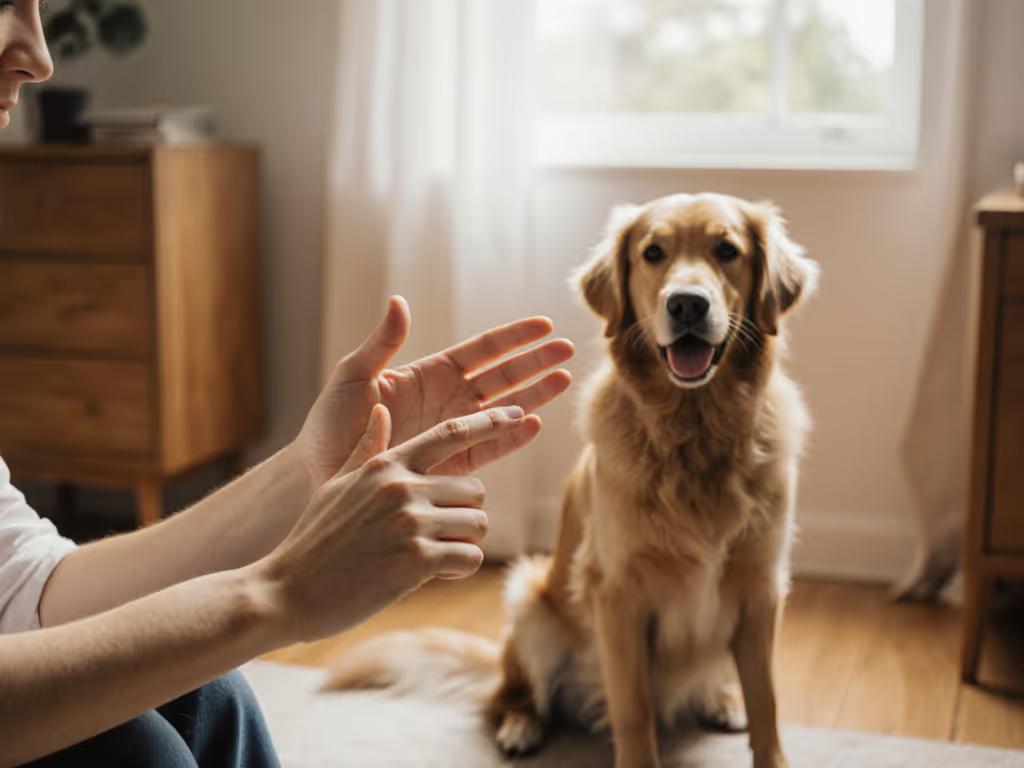
Visual Signal Training: Your Foundation Start with what you already have: your hands. Replace verbal cues with clear, consistent hand signals. Studies show dogs learn visual commands faster when paired with positive reinforcement (and without auditory distraction). For example:
- "Sit": Palm-down sweep toward the ground
- "Look at me": Tap your nose
- "Let's go": Point forward with a bent elbow
Small wins, stacked safely, build calm, confident teams.
Practice these in 90-second bursts during daily routines (while waiting for coffee or tying shoes). A Deaf Dogs Rock trainer recently shared how a nervous guardian in a tiny apartment mastered hallway focus using these signals. Ten calm steps toward the door became their first win. That's the magic: micro-moments of success wiring new neural pathways.
Vibration Collars: Gentle Attention-Getters Here's where dog training collars with vibration shine, but only when used correctly. Think of vibration as a polite "tap on the shoulder," not a correction. Cornell University's veterinary behaviorists advise using them sparingly to redirect focus, never to punish. Key steps:
- Pair vibration with high-value training treats before training: Let the collar vibrate, then show a treat. Repeat until your dog turns toward you at the buzz.
- Start indoors, where distractions are low. Use a single short pulse (not continuous vibration).
- Never exceed 3 sessions/day, each under 60 seconds.
Avoid "flash collars for dogs" as primary tools. Flashing lights often confuse dogs in daylight or fail in shaded areas. Reserve visual alerts (like a flashlight flick) for emergency recall practice only, never routine training. Your hands and body are always the most reliable tools.
Gear for Smooth Home-to-Street Transitions
The biggest hurdle guardians face? A dog who's calm indoors but falls apart outside. Your equipment must bridge this gap gently. Forget generic leash-and-harness combos. Opt for stage-specific setups:
Phase 1: Home Foundation (Weeks 1-2)
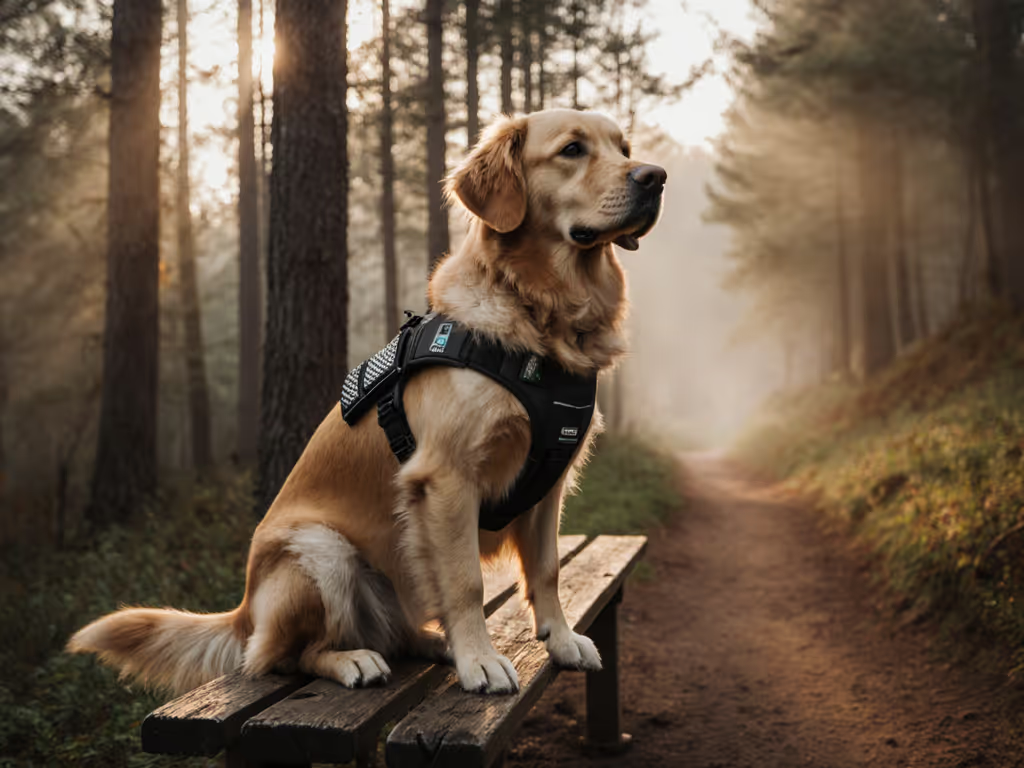
- Harness: A padded front-clip harness (like the Sensation model) prevents pulling without neck strain. Measure chest girth (not neck) since deaf dogs often tilt heads more. Not sure which clip style suits your dog? See our front-clip vs back-clip harness guide.
- Leash: 3-foot cotton leash for indoor tracking. Short enough to prevent slack (which causes tension), long enough for natural movement.
- Handler cue: Stand facing your dog, shoulders relaxed. Breathe deeply for 5 seconds before moving. This posture tells your dog, "I'm calm, so you should be too."
Phase 2: Threshold Training (Weeks 3-4)
- Add a vibration collar (set on low pulse) for door transitions. Only activate it when your dog is already looking at you. Reinforces focus, not distraction.
- Switch to a 4-foot biothane leash. It's grippy for wet streets but light enough for quick tension releases. When you're ready to practice recall in safe spaces, a long line comparison will help you choose the right length and material.
- Progression checkpoint: Can your dog take 5 calm steps past the door without lunging? If not, lower the criteria, practice 3 steps, then reward with play.
Lower the criteria, keep the success.
This phased approach prevents the overwhelm that makes guardians feel like they're failing. One client's tears turned to laughter when her dog finally walked ten quiet steps down their hallway. We'd started with one step for three days. Small wins are the plan.
Your Invisible Toolkit: Stress-Reduction for Handlers
Your anxiety floods your dog's nervous system faster than any command. These stress-reduction tips keep your energy regulated:
- Two-finger rule: Rest two fingers on your sternum. If your heartbeat feels frantic, pause and breathe until it steadies. Your dog mirrors this rhythm.
- "Green light/red light" system: Wear a colored bandana (e.g., green = walk time). Dogs learn to watch your body, not just cues.
- 3-minute rule: Never practice new skills longer than 3 minutes. Set a phone timer. Fatigue breeds frustration.
Remember: training deaf dogs isn't about perfecting signals overnight. It's about stacking micro-wins where both of you feel safe. That anxious dog who bolted past the door? In two weeks, she walked one block. Then two. All because her guardian celebrated one calm step as victory.
Next Steps: Build Your Confidence Blueprint
- This week: Pick one hand signal (start with "look at me"). Practice for 90 seconds, 3x daily near your fridge or couch, places your dog already feels secure.
- Weekend task: Measure your dog's chest girth while they're standing. Note it in your phone's notes app.
- Mindset shift: If your dog misses a cue, lower the criteria, keep the success. Try the signal at half the distance. Or add a treat lure. Failure is just data for your next rep.
You don't need expensive gear to begin. You need consistency, compassion, and the courage to celebrate tiny breakthroughs. Because when a deaf dog chooses to look at you in a world full of chaos? That's not just training. It's trust earned, one vibration, one hand signal, one quiet step at a time.
Related Articles