Adaptive Training Tools for Dogs with Disabilities
By Liam O'Connell • 15th Feb
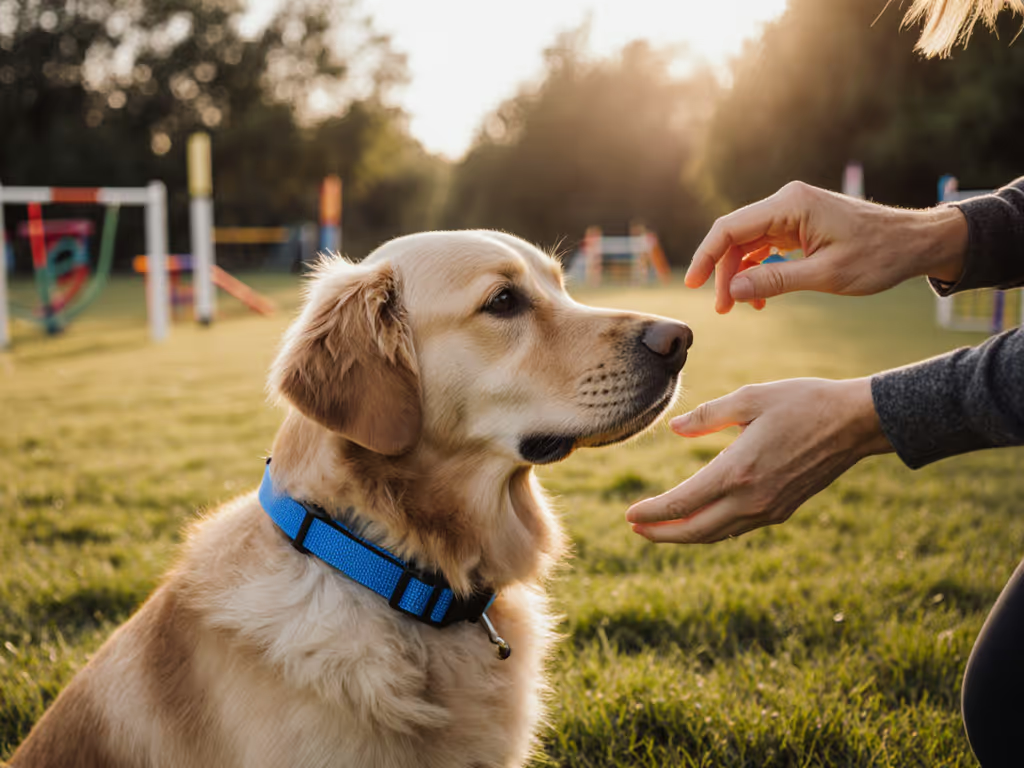
Adapting dog training tools and dog agility training tools to work for dogs with disabilities (blindness, deafness, mobility challenges, or other conditions) requires a shift in how you think about communication. Instead of chasing one-size-fits-all solutions, you're building a customized system that meets your dog where they are and scales with changing conditions. This is where thoughtful, custom training equipment for dogs becomes essential, not optional.
What Makes Adaptive Training Different?
How does disability change the training picture?
Dogs born with or developing disabilities can learn just as reliably as able-bodied dogs, but the channels of communication change.[2] A blind dog doesn't need sight to respond to a clicker; a deaf dog doesn't need to hear a verbal cue to follow a hand signal. The fundamental principle remains: clear, consistent communication paired with reward. What shifts is which of the dog's intact senses you prioritize.
Field notes from real cases show that many handlers new to adaptive training overcomplicate gear choices. They assume aversive pressure tools will somehow compensate for a missing sense. They won't. Instead, safety scales with conditions, and that means building redundancy into your communication system. A deaf dog learns hand signals alongside vibration alerts. A blind dog benefits from tactile feedback (a light touch on their collar) paired with auditory markers. A dog with arthritis needs terrain-specific footing and support structures to navigate safely.[2]
Adventure expands safely when recall and visibility come first, even when the dog's sensory world is narrower than we expect.
What Are the Core Adaptive Tools?
Which tools truly adapt to disability rather than just accommodate it?
Let's separate working tools from marketing noise:
Tactile and Vibrational Markers
Dogs with hearing loss don't have access to the clicker (one of training's most elegant tools). Enter the vibrating collar.[2] Used humanely as a marker (never as punishment), a collar that vibrates on cue allows deaf dogs to know precisely when they've nailed a behavior. Paired with immediate reward, this replicates the clicker's clarity. The critical distinction: the vibration marks the moment; it doesn't compel. For device options and setup tips, see our deaf dog training equipment guide. This respects the dog's agency and neurological welfare.
For field training, terrain-specific tips matter. A vibration-based system works equally well on muddy trails, in rain, or at dusk, conditions where verbal markers fade. If it fails on trail, it fails the dog. Reliability across weather and visibility conditions isn't optional for adaptive training.
Sensory-Matched Cue Systems
Blind dogs often excel with auditory cues because their hearing compensates beautifully.[2] Clicker training becomes a lifeline: the click precisely marks the behavior, followed by praise, treats, or touch. This works indoors and out, in high-distraction and quiet settings alike. The mechanism is pure clarity, not force.
Deaf dogs, conversely, thrive with visual cues: hand signals, body orientation, and environmental markers.[2] Many handlers discover their deaf dog learns sign language faster than hearing dogs learn spoken words, simply because the dog's eyes are already locked on the handler's hands.
Dogs with both vision and hearing loss require a multimodal approach: touch-based cues (a light pressure on the collar, a specific hand placement on the harness), combined with olfactory rewards (higher-value treats with strong scent).[2]
Structural Support Gear
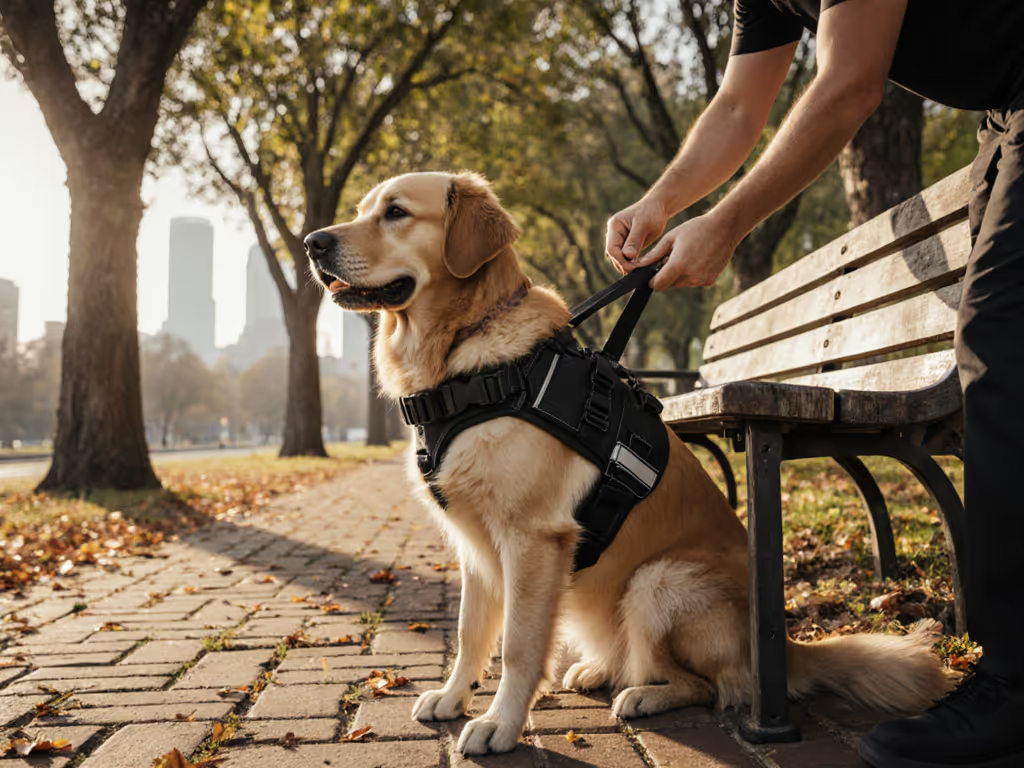
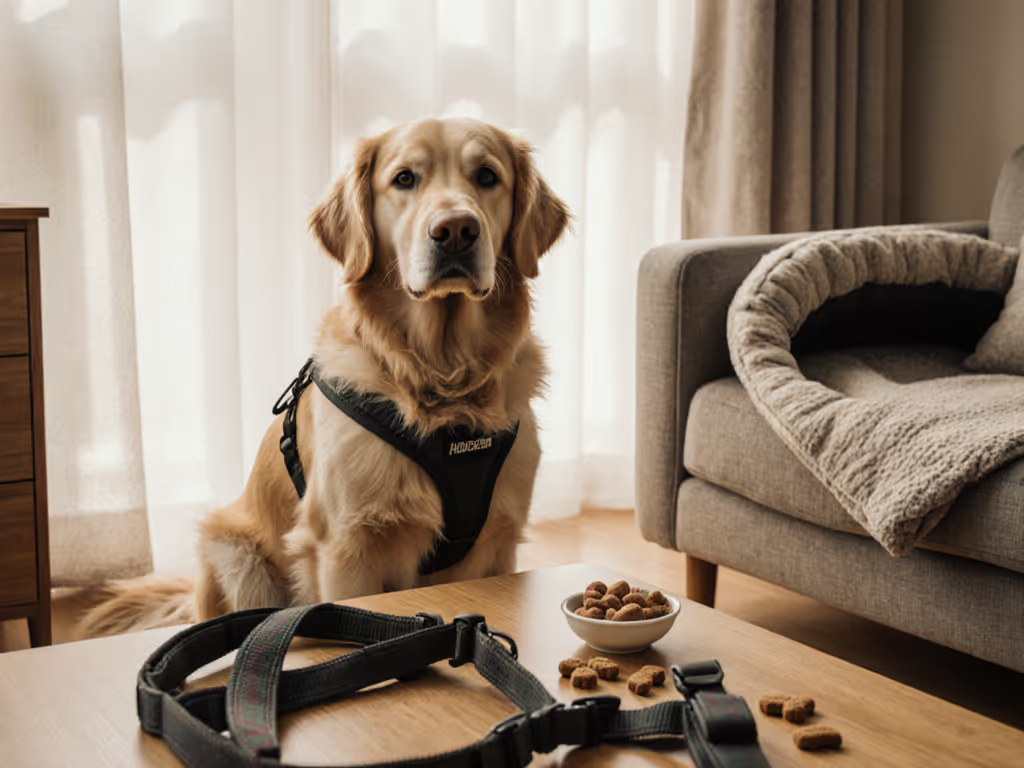
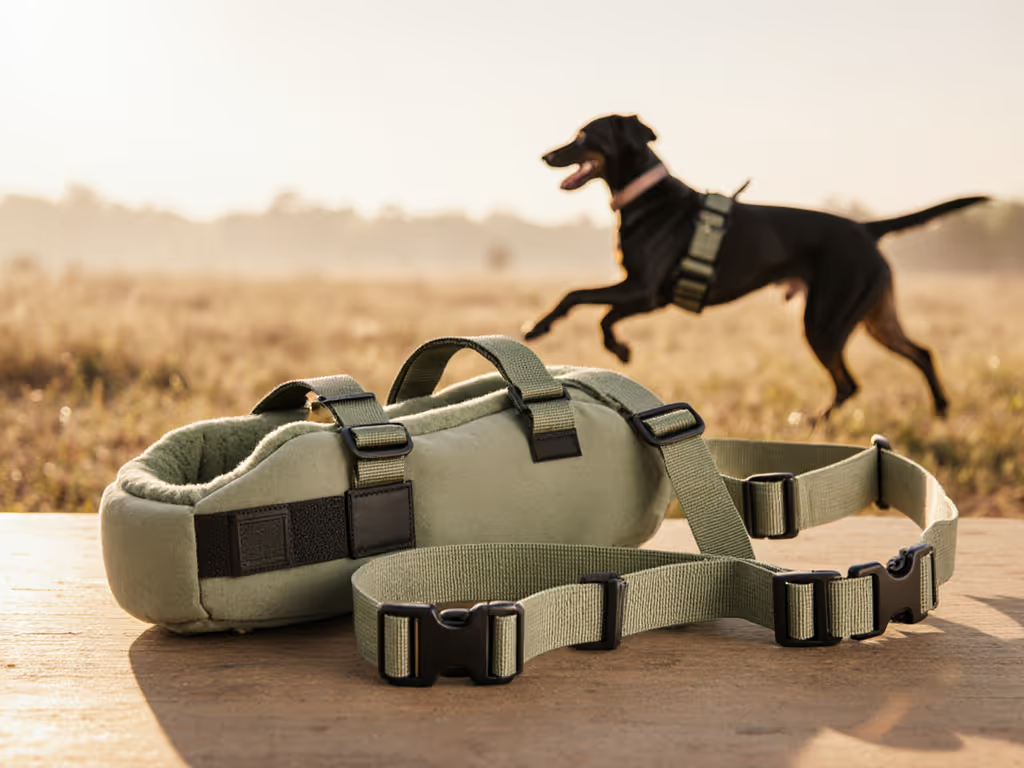
Dogs with arthritis, hip dysplasia, or rear-limb weakness benefit from harnesses designed for assistance, not restraint. Unlike a standard collar, which can strain the trachea and cervical spine (a particular concern for sighthounds and toy breeds with delicate necks), a well-fitted harness distributes pressure across the ribcage and shoulders. Look for adjustable models that grow with puppies and accommodate seasonal changes (winter coat thickness affects fit). Not sure which clip style is right? Compare options in our front- vs back-clip harness fit guide.
For mobility challenges, consider canine "halos" or bumpers: adjustable frames that extend slightly beyond the dog's body, alerting them to obstacles before collision.[2] These are especially valuable for blind dogs navigating unfamiliar spaces. They feel the structure contact, not hard barriers, a far more humane and less injury-prone approach than trial-and-error navigation.
Visibility and Recall Systems
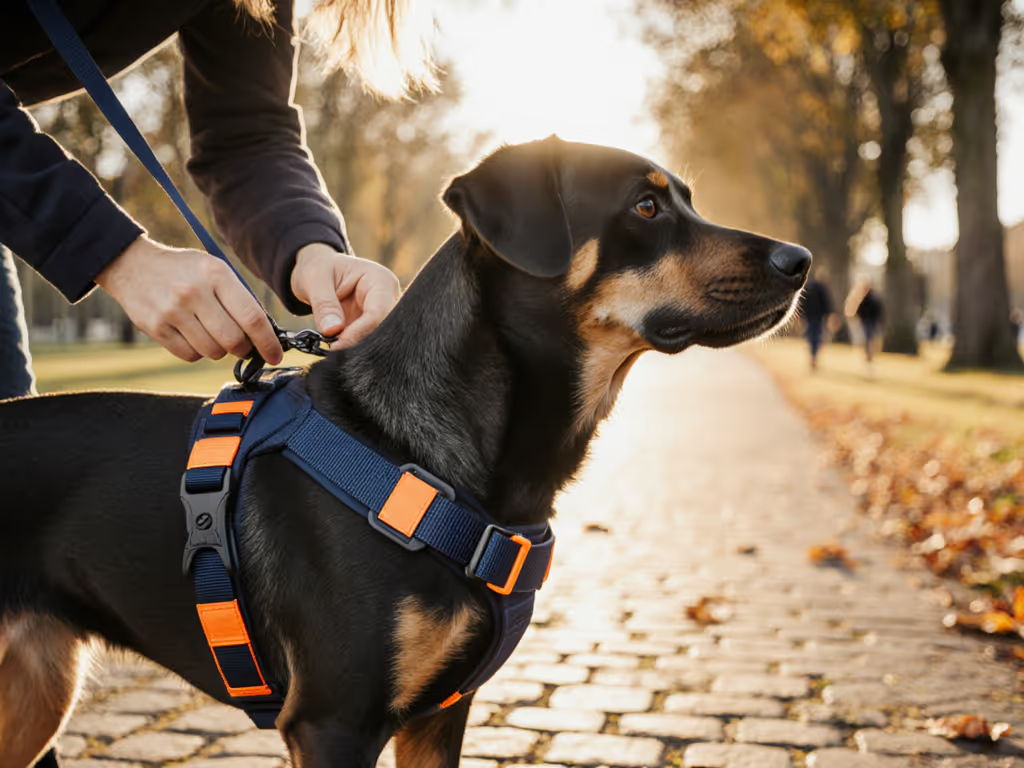
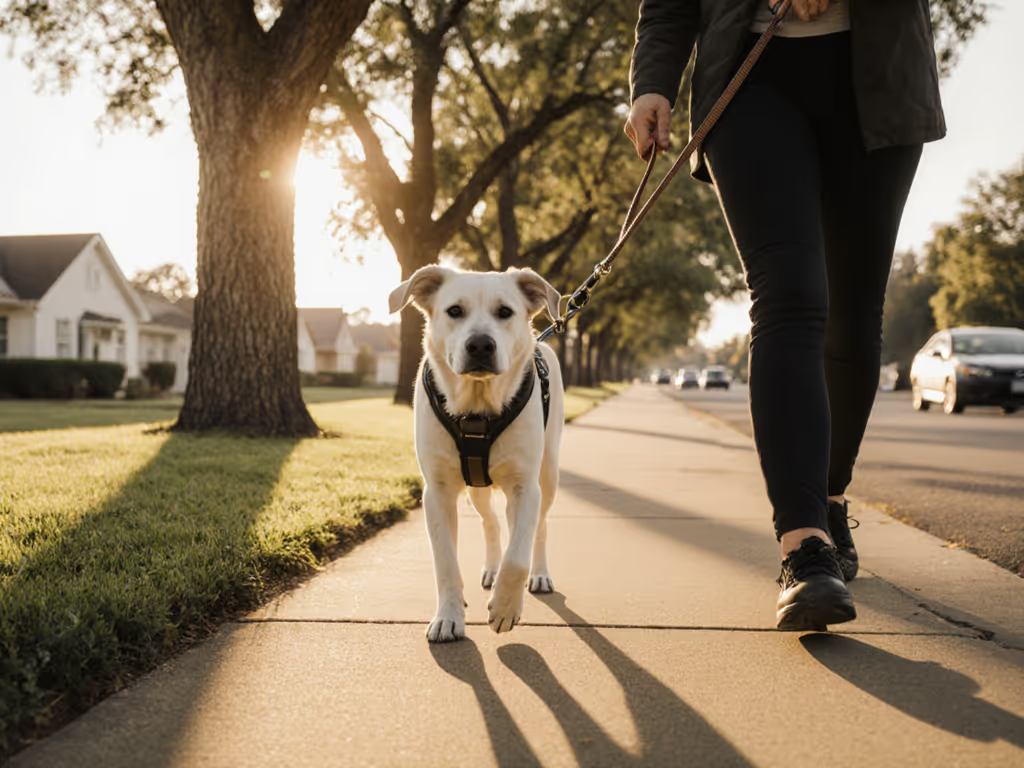
When training off-property or in low-light conditions, visibility isn't cosmetic; it's foundational. A reflective or light-emitting harness keeps your dog visible to traffic and other handlers. A long biothane or weather-resistant line (10-15 meters) permits distance work while maintaining control. For exercise-specific setups and safety tips, see our long line leash comparison. In my field notes, I've tested these systems in dusk conditions with dogs practicing recall around distractions (wildlife, other dogs, handler focus challenges). The gear that survives mud, rain, and repeated handling without fraying or losing grip is the gear you can trust when conditions matter most. Aversive pressure tools don't belong here; they mask communication failures and erode the handler-dog bond.[1]
How Do I Match Tools to My Dog's Disability?
Where do I start if my dog is deaf, blind, or has mobility challenges?
Begin with an honest assessment of which senses are strong and which are compromised:[2]
- Deaf dog: Lean into vision (hand signals, body language), touch (tactile cues on harness or collar), and scent (treat placement and odor trails). Avoid relying on voice alone.
- Blind dog: Leverage hearing (clicker, verbal markers, directional cues), touch (light leash cues, harness guidance), and scent (olfactory navigation). Practice in familiar, obstacle-free spaces first.
- Mobility-limited dog: Use harnesses with support panels, reduce jump-training, and focus on low-impact behaviors (mat work, "settle," scent games). Avoid slippery flooring; provide traction and cushioning.
Once you've identified the dog's communication pathway, choose dog disability modification guides that match it. A clicker-based system for a blind dog is data-driven, not guesswork. A hand-signal protocol for a deaf dog is transparent and learnable by the whole household.
What About Multi-Dog or Growing-Puppy Scenarios?
How do I scale adaptive tools as my dog matures or across multiple dogs?
Adaptive harnesses with adjustable panels and modular attachments mean a single setup can evolve. A puppy's harness shouldn't need replacement every four weeks; a well-designed collar should transition from growth phase through adulthood. Biothane lines, which are weather-resistant and easy to clean, serve both a deaf adult and a growing puppy equally well (no single-use clutter).
In multi-dog households, consistency across handlers matters profoundly. If one person uses hand signals for the deaf dog and another reverts to voice cues, learning stalls. Invest in a simple, household-wide protocol: documented cues (laminated cards on the fridge), shared harness-fit standards, and agreed-upon reward structures. This is where failure-mode analysis pays off. If the gear or protocol fails to communicate clearly, the dog's autonomy shrinks.
Where Do I Find Evidence-Based Guidance?
Which resources align with welfare-first, disability-specific training?
Seek out organizations specializing in service dogs and adaptive training. Entities like the American Council of the Blind coordinate guide dog programs that offer training, orientation, and customized equipment fitting.[3] Many regional assistance dog organizations provide mentorship beyond puppy-raising; they teach adapted handling, gear fitting, and progression planning for dogs with multiple disabilities or handlers with physical limitations.[3][4]
Look for trainers experienced in deaf, blind, or mobility-impaired dogs specifically. Generic "positive reinforcement" trainers may lack the terrain-specific tips and failure-mode analysis needed for real-world, high-stakes scenarios (trail work, wildlife proximity, low-light conditions).
The Bigger Picture: Safety Scales with Conditions
Adaptive training tools for limb differences and disability-based modifications aren't workarounds; they're clarity engines. A dog with one usable rear leg doesn't need different rules; they need adjusted communication that meets their neurological reality. A deaf dog doesn't need aversive tools to "make up for" missing hearing; they need multimodal cues that leverage their intact senses.
The most humane, durable approach starts with honest assessment, moves through clear protocol design, and ends with field testing under the conditions that actually matter: mud, rain, distraction, terrain variance, and time pressure. Gear and cues that hold up across those variables are the ones that sustain both dog welfare and handler confidence.
Further Exploration: Start by consulting a trainer experienced in your dog's specific disability. Request a hands-on fitting session for any harness or collar, poor fit undermines communication and causes discomfort. For step-by-step sizing checks, use our Two-Finger Rule collar fit guide. Document your dog's communication preferences (which senses work best) and share that record with anyone who handles your dog. Finally, invest in one durable, adjustable harness and one reliable long line; resist the urge to accumulate novelty tools. Quality, tested gear scales better than quantity.
Related Articles